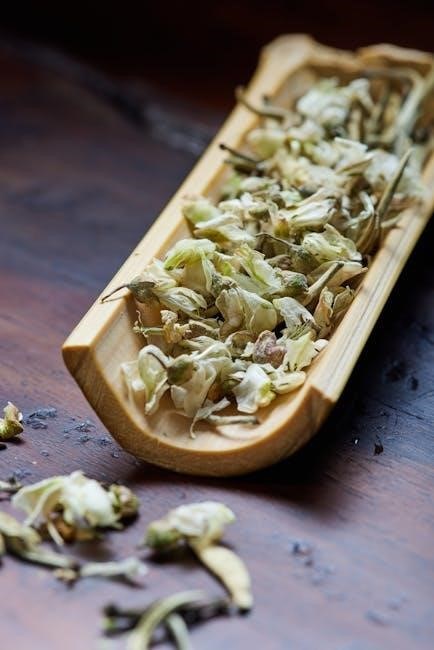
The Modern Herbal Dispensatory is a definitive guide, offering 250 safe and effective herbal medicines for the modern herbalist, focusing on preparation techniques.
What is a Herbal Dispensatory?
A herbal dispensatory, at its core, is a compendium – a detailed and organized collection – of medicinal herbs and their applications. Historically, dispensatories were used by apothecaries to prepare customized medicines for patients.
The Modern Herbal Dispensatory builds upon this tradition, serving as a comprehensive resource for understanding each herb’s full healing potential. It’s more than just a list; it delves into techniques and preparations that unlock an herb’s power.
This guide respects herbs as individuals, acknowledging their unique properties and clinical uses. It’s a working resource, designed for those actively engaged in creating herbal remedies, bridging traditional knowledge with modern practice.
The Resurgence of Herbal Medicine
There’s a notable and growing interest in herbal medicine today, driven by a desire for natural and holistic healthcare options. People are increasingly seeking alternatives to conventional medicine, often prioritizing preventative wellness and self-sufficiency.
The Modern Herbal Dispensatory taps into this resurgence, providing accessible knowledge for both beginners and experienced practitioners. This renewed focus stems from a dissatisfaction with side effects and a longing for connection with nature’s healing power.
The book’s clear instructions and straightforward approach empower individuals to take control of their health, fostering a deeper understanding of herbal remedies and their potential benefits. It’s a response to a cultural shift towards mindful living.
Scope of the Guide: 250 Herbs
The Modern Herbal Dispensatory meticulously profiles 250 herbs, offering a comprehensive resource for herbalists of all levels. This extensive coverage allows for a deep dive into a wide range of medicinal plants, their properties, and applications.
Each herbal profile isn’t just a listing of uses; it delves into preparation methods, dosage recommendations, and safety considerations. The guide respects herbs as individuals, acknowledging their unique energetics and actions.
This broad scope enables readers to build a well-rounded understanding of herbal medicine, moving beyond simple remedies to a more nuanced and effective practice. It’s a truly valuable compendium for any home apothecary.
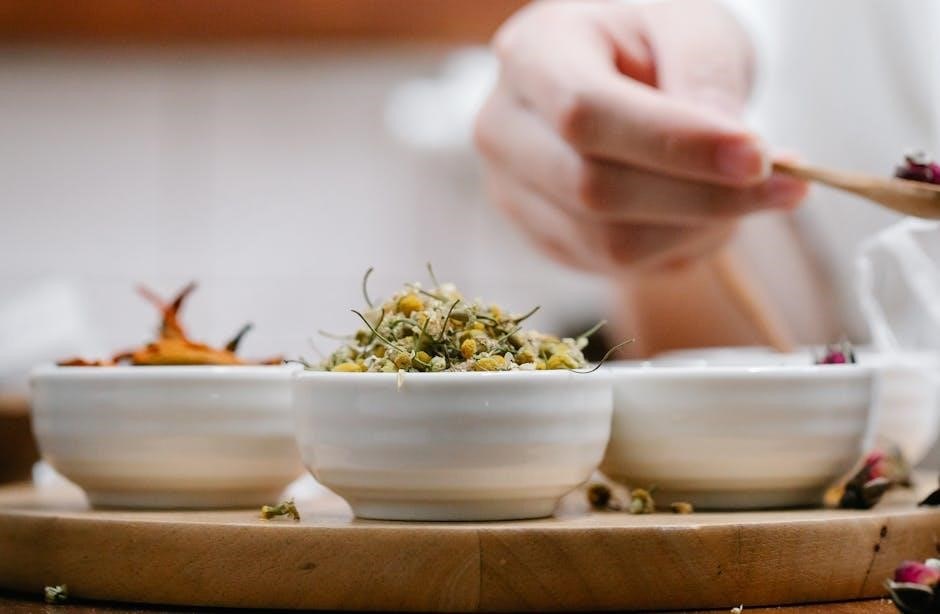
Core Principles of Herbal Medicine Making
The Modern Herbal Dispensatory unlocks each herb’s full healing power through techniques and preparations, emphasizing understanding herbal actions and constituents for effective remedies.
Understanding Herbal Actions
Herbal actions describe how an herb impacts the body, forming the foundation of effective herbalism as detailed in The Modern Herbal Dispensatory. These actions aren’t simply about what an herb is, but what it does.
For example, an herb might be classified as an alterative (gradually restoring function), a diuretic (increasing urine production), or a nervine (soothing the nervous system). Understanding these actions allows herbalists to select herbs based on the specific needs of an individual.
The book emphasizes that many herbs possess multiple actions, creating a complex interplay of effects. Recognizing these nuances is crucial for crafting targeted and balanced herbal formulas. It’s about moving beyond simply knowing an herb’s name to truly understanding its therapeutic potential.
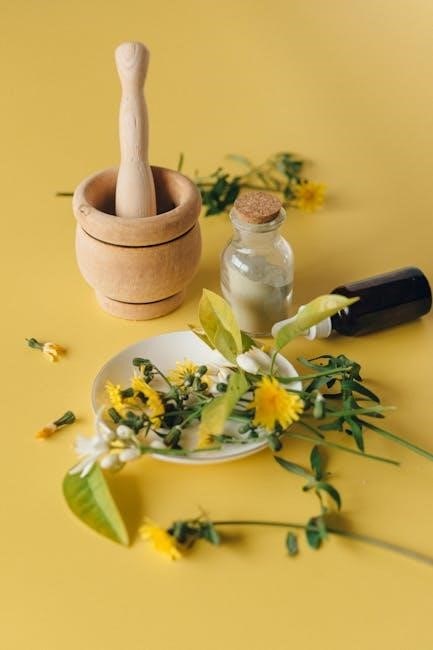
Constituents and Their Effects
The Modern Herbal Dispensatory highlights that herbs aren’t just singular entities; they’re complex chemical compositions. Constituents – alkaloids, flavonoids, tannins, volatile oils, and more – are the active compounds responsible for an herb’s therapeutic effects.
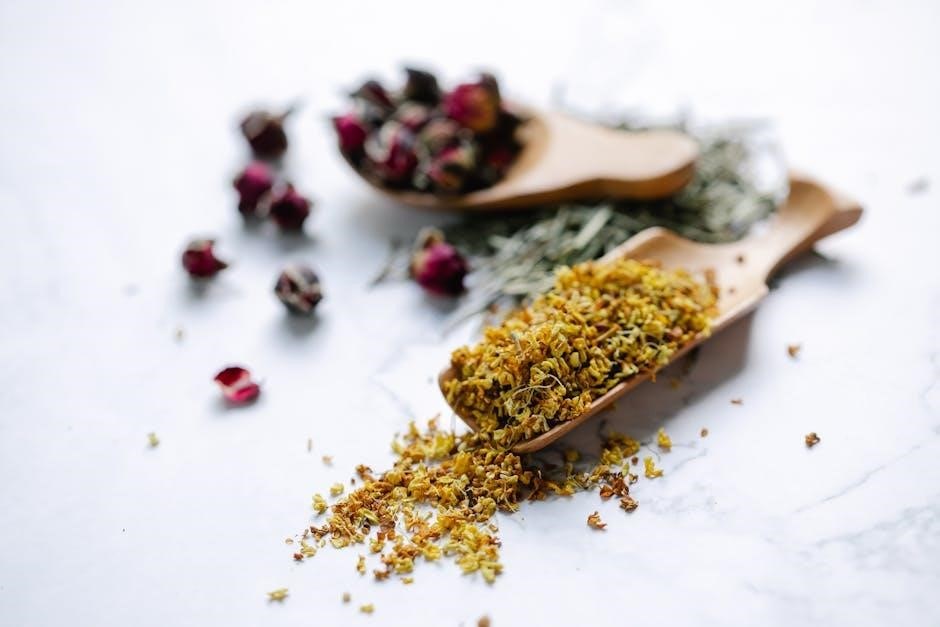
Each constituent possesses unique properties. For instance, alkaloids often have strong physiological effects, while flavonoids are known for their antioxidant capabilities. Tannins exhibit astringent qualities, and volatile oils contribute to aroma and antiseptic action.
Understanding these constituents allows for a deeper appreciation of how herbs work. The book stresses that the synergy between constituents is often more potent than the effect of any single compound in isolation, emphasizing a holistic approach to herbal medicine.
Energetics: Hot, Cold, Dry, Moist
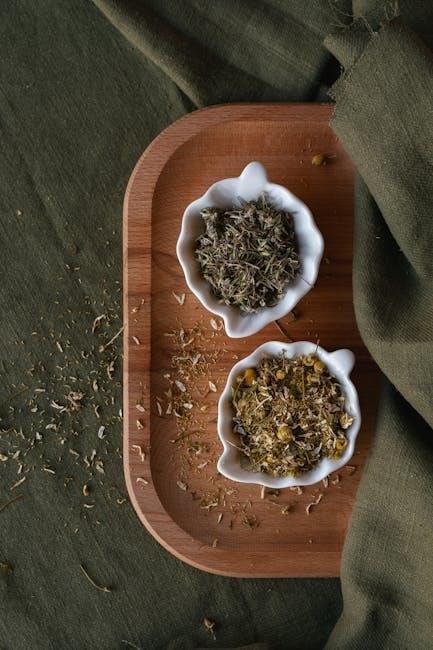
The Modern Herbal Dispensatory emphasizes the importance of understanding herbal energetics – a traditional system classifying herbs based on their thermal and moisture properties. Herbs are categorized as hot, cold, dry, or moist, influencing how they interact with the body’s own energetic state.
A “hot” herb, like ginger, stimulates circulation and warms the system, while a “cold” herb, such as peppermint, cools inflammation. “Dry” herbs, like dandelion, have a diuretic effect, and “moist” herbs, like marshmallow root, are soothing and hydrating.
This energetic classification isn’t about physical temperature, but rather the effect on physiological processes. Matching the herb’s energetics to the individual’s constitution is crucial for effective treatment, as highlighted in the guide.
Essential Tools and Equipment
The Modern Herbal Dispensatory details basic equipment for a home apothecary, emphasizing sourcing high-quality herbs and proper storage for potency and preservation.
Basic Equipment for Home Apothecary
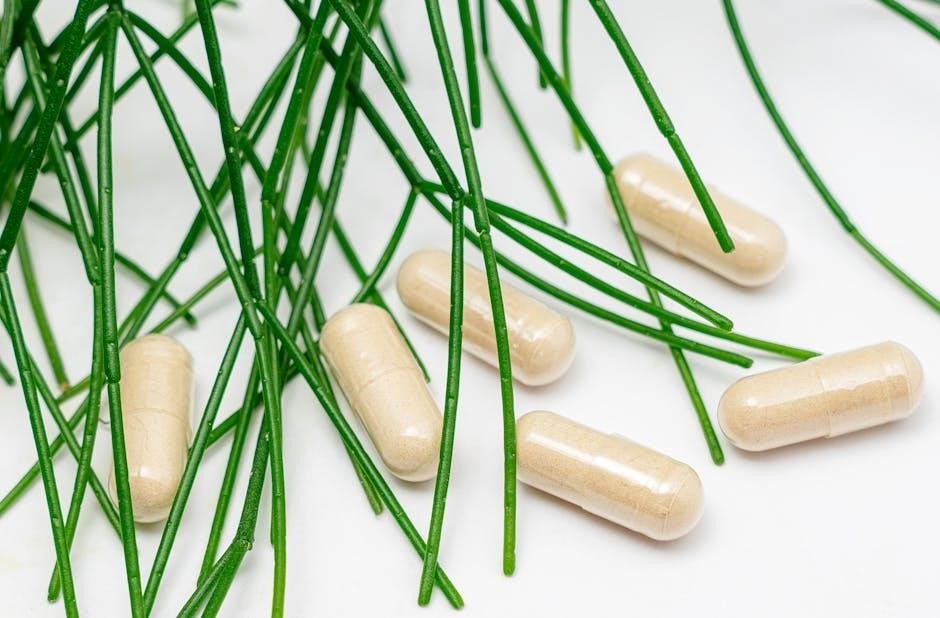
Establishing a home apothecary, as detailed in The Modern Herbal Dispensatory, doesn’t require extensive investment. Core tools include glass jars for infusions and tinctures, a dedicated workspace, and accurate scales for precise measurements. Stainless steel pots are ideal for decoctions, avoiding reactive materials.
Mortar and pestles are crucial for powdering herbs, while funnels and strainers aid in liquid preparations. Amber glass bottles protect light-sensitive tinctures. Labeling supplies are essential for organization and safety. A good quality notebook for recording recipes and observations is also highly recommended.
Finally, consider investing in a hydrometer for tincture alcohol content and a thermometer for temperature control during infusions. These tools empower effective and safe herbal medicine making.
Sourcing High-Quality Herbs
The Modern Herbal Dispensatory emphasizes the importance of herb quality. Prioritize organically grown herbs whenever possible, avoiding those treated with pesticides or herbicides. Reputable suppliers are key; look for companies with transparent sourcing practices and quality control measures. Consider locally grown herbs when available, supporting regional ecosystems and freshness.
Dried herbs should be vibrant in color and possess a strong aroma, indicating potency. Avoid herbs that appear faded, moldy, or have a weak scent. Whole herbs generally retain more medicinal properties than pre-ground powders.
Building relationships with trusted herbalists or growers can provide access to superior quality herbs and valuable knowledge.
Proper Storage of Herbs
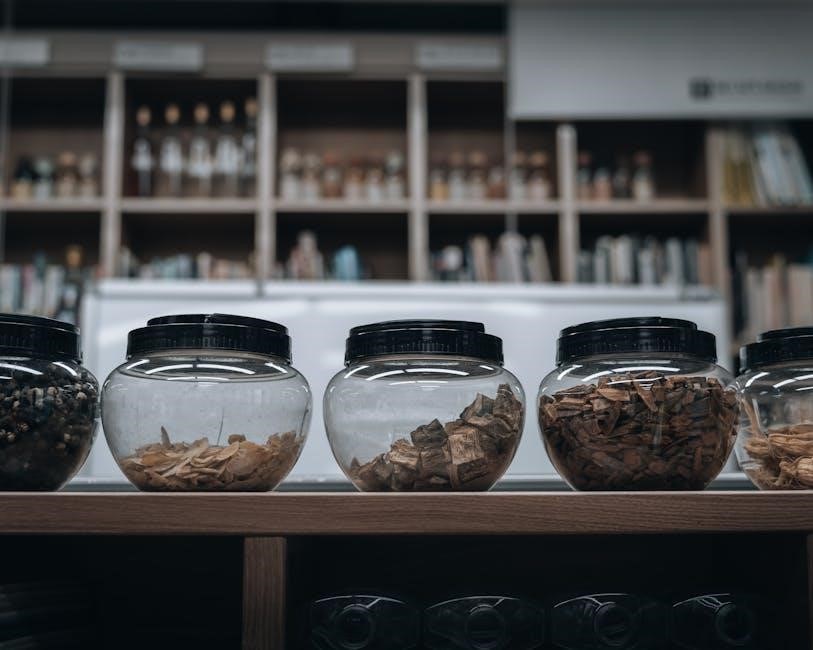
The Modern Herbal Dispensatory highlights that correct storage preserves herbal potency. Store dried herbs in airtight containers, shielded from light, heat, and moisture. Dark glass jars are ideal, protecting against degradation. Avoid plastic containers, which can impart odors and compromise quality.
A cool, dark, and dry location is essential – a pantry or cupboard away from direct sunlight and kitchen heat. Properly stored, dried herbs can maintain their medicinal properties for one to three years. Label containers clearly with the herb name and date of purchase.
Regularly inspect herbs for signs of mold or pest infestation, discarding any compromised material.
Herbal Preparations: A Comprehensive Overview
The Modern Herbal Dispensatory details various preparations—infusions, decoctions, tinctures, salves, syrups, and powders—unlocking each herb’s full healing potential.
Infusions: Making Herbal Teas
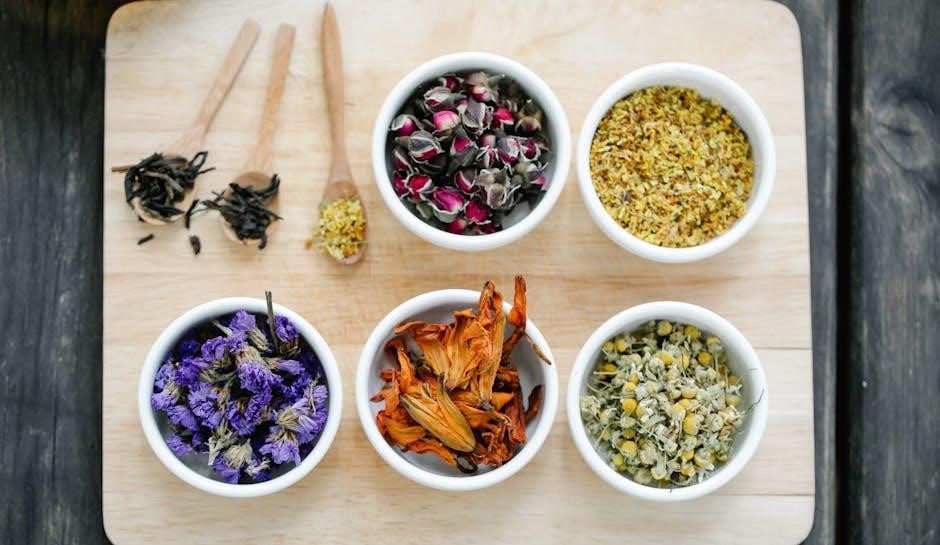
Infusions, commonly known as herbal teas, represent a gentle method of extraction, ideal for delicate plant parts like leaves and flowers. The Modern Herbal Dispensatory emphasizes using filtered water, heated just to boiling, to preserve volatile compounds.
Typically, one to two teaspoons of dried herb are steeped in eight ounces of hot water for five to fifteen minutes, covered to retain essential oils. Steeping time varies based on the herb; delicate flowers require shorter infusions than tougher leaves.
This method yields a flavorful and effective medicine, easily incorporated into daily routines. The book highlights the importance of proper ratios and quality herbs for optimal results, offering guidance for both beginners and experienced herbalists seeking a simple yet potent preparation.
Decoctions: Extracting from Roots & Barks
Decoctions, as detailed in The Modern Herbal Dispensatory, are crucial for extracting medicinal properties from dense plant materials like roots, barks, and berries. Unlike infusions, decoctions involve simmering the herbs in water for an extended period.
Typically, one to two tablespoons of dried, chopped root or bark are added to eight ounces of water and brought to a boil. The mixture is then reduced to a simmer, covered, and allowed to cook for 20-30 minutes, sometimes longer for particularly tough materials.
This prolonged simmering breaks down the cellular structure, releasing valuable constituents. The resulting liquid is strained and can be consumed warm or cool, offering a potent and concentrated herbal remedy.
Tinctures: Alcohol-Based Extracts
Tinctures, as explained in The Modern Herbal Dispensatory, represent a powerful method of herbal extraction utilizing alcohol – typically ethanol – as a solvent. This process efficiently draws out both water-soluble and alcohol-soluble constituents from the plant material, creating a concentrated and long-lasting remedy.
The standard ratio often involves combining one part herb with five parts alcohol (by weight or volume), though this can vary depending on the herb and desired potency. Herbs are submerged in the alcohol for 4-6 weeks, shaken regularly.
Following maceration, the tincture is strained, and the resulting liquid is stored in dark glass bottles. Tinctures offer precise dosage and extended shelf life, making them a staple in herbal practice.
Capsules & Tablets: Convenient Dosage Forms
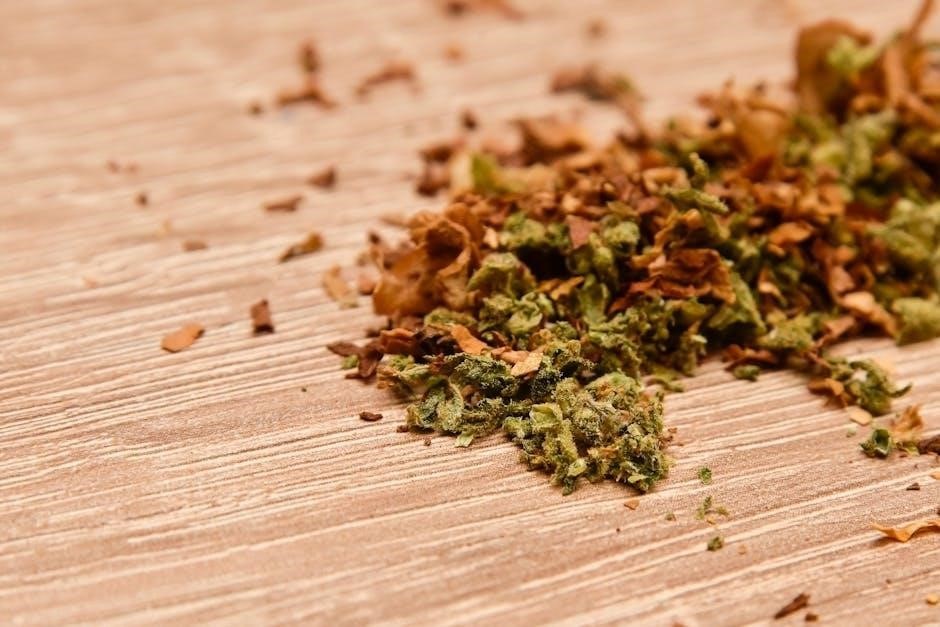
The Modern Herbal Dispensatory highlights capsules and tablets as practical options for administering herbal remedies, particularly for those preferring a measured and easily consumed format. These forms involve encapsulating powdered herbs or compressing them into tablets, offering standardized dosages.
Capsules, typically made of vegetable cellulose, shield the herb from stomach acid, potentially enhancing absorption. Tablets require binders and excipients for cohesion, which should be carefully considered for quality.
While convenient, it’s crucial to use high-quality powders and ensure proper encapsulation or compression. These methods are ideal for herbs with strong flavors or for those seeking a discreet delivery system.
Salves & Ointments: Topical Applications
The Modern Herbal Dispensatory details salves and ointments as effective methods for delivering herbal benefits directly to the skin. These topical preparations utilize a base – typically oils infused with herbs – combined with beeswax to create a soothing, protective layer.
Salves, generally softer, are ideal for wounds and irritated skin, while ointments, with a higher beeswax content, offer greater protection. Herbal infusions or decoctions are incorporated into the base, transferring their medicinal properties.
Choosing the right oil (olive, calendula-infused, etc.) is vital, as it contributes to the remedy’s efficacy. These preparations are excellent for addressing skin conditions, muscle aches, and localized pain.
Syrups: Palatable Liquid Medicines
The Modern Herbal Dispensatory highlights syrups as a traditional and appealing way to administer herbal remedies, particularly beneficial for children or those averse to tinctures. Syrups combine herbal infusions or decoctions with a sugar base – traditionally honey, though sugar or alternatives can be used.
The sweetness enhances palatability, while the sugar acts as a preservative. Herbs like elderberry, thyme, or marshmallow root are commonly used in syrups to address coughs, colds, and soothe irritated throats.
Proper syrup making involves careful heating and precise ratios to ensure stability and efficacy. They offer a gentle, accessible approach to herbal medicine.
Powders: Concentrated Herbal Forms
The Modern Herbal Dispensatory details powders as a potent method for concentrating herbal constituents, offering a convenient dosage form when capsules aren’t preferred. Creating powders involves thoroughly drying herbs and then grinding them into a fine particulate using a dedicated grinder.
This process removes water content, increasing the herb’s potency and shelf life. Herbs like ginger, turmeric, or slippery elm are frequently powdered for digestive support or demulcent properties.
Powders can be directly consumed, mixed with liquids, or encapsulated. Accurate measurement is crucial due to their concentrated nature, ensuring appropriate dosage.
Specific Herbal Profiles (Examples)
The Modern Herbal Dispensatory provides detailed profiles of herbs like chamomile, echinacea, lavender, and peppermint, outlining their uses and medicinal properties.
Chamomile: Calming and Digestive Aid
Chamomile, as detailed in The Modern Herbal Dispensatory, is renowned for its gentle, calming properties, making it a valuable ally for stress and anxiety. This herb excels as a digestive aid, soothing upset stomachs, relieving gas, and easing bloating. Its traditional uses extend to promoting restful sleep and reducing inflammation.
The dispensatory highlights chamomile’s constituents, including apigenin, which contributes to its relaxing effects. Preparations like chamomile infusions (teas) are simple to create and readily accessible. It’s considered safe for most individuals, though caution is advised for those with ragweed allergies. Dosage recommendations, as found within the guide, ensure effective and safe utilization of this versatile herb for both adults and children, offering a natural approach to wellness.
Echinacea: Immune System Support
Echinacea, as explored in The Modern Herbal Dispensatory, is a powerful herb celebrated for its ability to bolster the immune system. Traditionally used to combat colds and flu, it stimulates the production of white blood cells, enhancing the body’s natural defenses. The guide details various species, like Echinacea purpurea and Echinacea angustifolia, each with slightly differing properties.
Preparations such as tinctures and capsules, outlined in the dispensatory, offer convenient dosage forms. It’s particularly effective when taken at the first sign of illness. While generally safe, long-term continuous use isn’t recommended. The book provides specific dosage guidelines for different age groups and conditions, ensuring responsible and effective application of this potent immune-boosting herb for optimal health and wellness.
Lavender: Relaxation and Skin Health
The Modern Herbal Dispensatory highlights Lavender (Lavandula angustifolia) as a versatile herb renowned for its calming and therapeutic properties. It’s a cornerstone for relaxation, easing anxiety, promoting sleep, and reducing stress – detailed within the guide’s energetics section. Beyond its emotional benefits, lavender excels in skincare, soothing burns, cuts, and insect bites due to its antiseptic and anti-inflammatory actions.
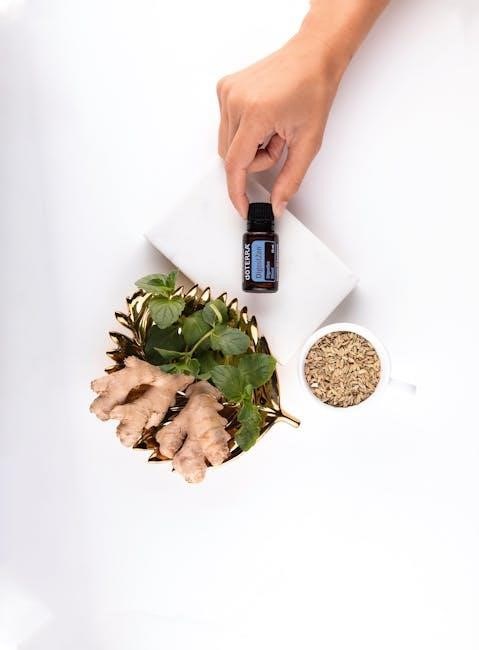
The dispensatory showcases preparations like infused oils, salves, and hydrosols for topical application, alongside teas and aromatherapy uses. Dosage recommendations are clearly outlined for safe and effective use. Lavender’s gentle nature makes it suitable for all ages, though sensitivity testing is always advised. It’s a truly essential herb for any home apothecary, offering holistic wellness benefits;
Peppermint: Digestive and Respiratory Relief
The Modern Herbal Dispensatory positions Peppermint (Mentha piperita) as a potent herb offering significant digestive and respiratory support. It’s celebrated for alleviating indigestion, bloating, and nausea, aligning with the guide’s focus on herbal actions. Peppermint’s cooling properties also provide relief from congestion, coughs, and headaches, detailed within its constituent analysis.
The dispensatory details preparations like teas, tinctures, and inhalations for optimal benefit. Dosage guidelines are provided for safe use, noting caution for individuals with GERD. Peppermint’s invigorating aroma and flavor make it a palatable remedy. It’s a valuable addition to any home apothecary, offering natural relief for common ailments, and is a frequently referenced herb within the guide.
Dosage and Safety Considerations
The Modern Herbal Dispensatory emphasizes determining appropriate dosages and understanding contraindications, ensuring herbal safety for diverse populations, a crucial aspect of responsible herbalism.
Determining Appropriate Dosage
Determining the correct herbal dosage is paramount for both efficacy and safety, and The Modern Herbal Dispensatory notably includes recommended dosages for each herb—a feature highly valued by clinical herbalists. Dosage isn’t a one-size-fits-all concept; it depends on factors like the individual’s constitution, age, weight, and the severity of their condition.
The book likely details various dosage forms – infusions, decoctions, tinctures, capsules – and how the concentration of the herb differs in each, influencing the amount needed. Understanding these nuances is vital. Starting with a lower dose and gradually increasing it while observing the body’s response is a prudent approach.
Furthermore, the text likely stresses the importance of considering the herb’s energetic properties and actions when establishing a dosage protocol, ensuring a holistic and personalized approach to herbal medicine.
Contraindications and Interactions
The Modern Herbal Dispensatory emphasizes the critical importance of understanding contraindications and potential interactions when utilizing herbal remedies. Not all herbs are suitable for everyone; certain conditions, like pregnancy, breastfeeding, or pre-existing medical ailments, may necessitate avoiding specific herbs.
Furthermore, herbs can interact with conventional medications, potentially altering their effectiveness or causing adverse effects. The guide likely provides detailed information on these interactions, cautioning against combining herbs with pharmaceuticals without professional guidance.
A thorough understanding of an herb’s properties and potential side effects is crucial for safe and responsible herbal practice, ensuring patient well-being and avoiding unintended consequences. Always consult with a qualified healthcare professional before starting any new herbal regimen.
Herbal Safety for Specific Populations
The Modern Herbal Dispensatory recognizes that herbal safety isn’t universal; certain populations require specialized consideration. Children, pregnant and breastfeeding women, the elderly, and individuals with compromised immune systems or chronic illnesses all respond differently to herbal interventions.
Dosage adjustments are often necessary for children and the elderly, while some herbs are strictly contraindicated during pregnancy or breastfeeding due to potential harm to the developing fetus or infant. Individuals with pre-existing conditions must exercise caution, as herbs can exacerbate certain ailments or interact negatively with existing treatments.
The guide likely offers specific guidance for these populations, emphasizing the need for individualized assessment and careful monitoring.