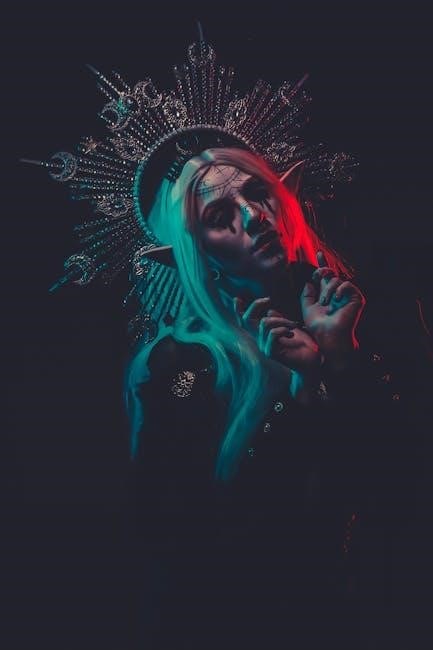
The Rise of the Drow: A Comprehensive Overview
Numerous PDF resources detail the drow’s emergence, including character stats (Faeniele Eshele Barrison DelArmgo) and lore guides.
These materials explore their complex society and hierarchies,
often referencing R.A. Salvatore’s influential works.
Historical Context of the Drow
Early depictions of the drow, predating the modern interpretations largely shaped by R.A. Salvatore, presented them as simply dark-skinned elves. However, the proliferation of PDFs detailing Dungeons & Dragons lore, particularly those focused on the 3rd and 3.5th editions, marks a significant turning point. These resources, like “The Complete Guide to Drow,” chronicle their descent into the Underdark and the subsequent corruption attributed to Lolth, the Spider Queen.
The rise in detailed documentation, readily available in PDF format, coincides with a shift in their portrayal from merely ‘evil elves’ to a complex, matriarchal society steeped in intrigue and ruthless power struggles. Documents like “Arms & Equipment Guide” and “Arms & Armor” showcase the unique weaponry and armor utilized by drow, reflecting their adaptation to the harsh Underdark environment. The available PDFs demonstrate a growing fascination with their culture, detailing their alphabet and language, and solidifying their place as a prominent race within the D&D multiverse.
R.A. Salvatore’s Influence on Drow Lore
R.A. Salvatore’s Forgotten Realms novels, particularly the Drizzt Do’Urden series, fundamentally reshaped the perception of the drow. Before Salvatore, they were largely one-dimensional villains. His nuanced portrayal, exploring themes of morality, redemption, and societal constraints within Menzoberranzan, captivated audiences and spurred a surge in Drow-focused content.
The increased demand for detailed drow information led to a proliferation of supplemental materials, many now available as PDFs. These resources, such as character guides featuring figures like Faeniele Eshele Barrison DelArmgo, directly reflect Salvatore’s influence, expanding upon the societal structures and individual motivations he established. The PDFs often delve into the intricacies of drow noble houses and the constant power plays within their hierarchy.
Salvatore’s work didn’t just popularize the drow; it provided a rich foundation for game masters and players alike, inspiring countless campaigns and character creations. The readily accessible PDFs serve as a testament to his enduring legacy, solidifying the drow as one of the most iconic and compelling races in fantasy literature and gaming.
Drow Society and Matriarchal Structure
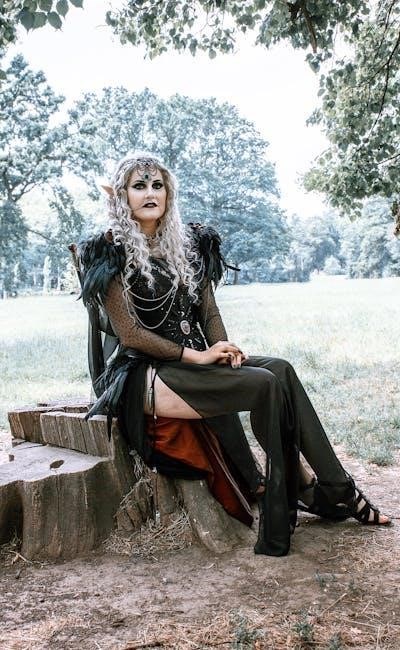
Drow society, as detailed in numerous PDFs like “The Complete Guide to Drow,” is rigidly hierarchical and profoundly matriarchal. Power resides almost exclusively with female drow, who dominate all aspects of life within cities like Menzoberranzan. This structure stems from their worship of Lolth, the Spider Queen, who demands obedience and reinforces female supremacy.
Male drow occupy subordinate roles, often serving as warriors or artisans, constantly striving to prove their worth to their mothers, wives, or priestesses. PDFs outline the complex web of relationships and rivalries that characterize drow noble houses, where political maneuvering and assassination are commonplace. The constant struggle for power ensures a volatile and ruthless environment.
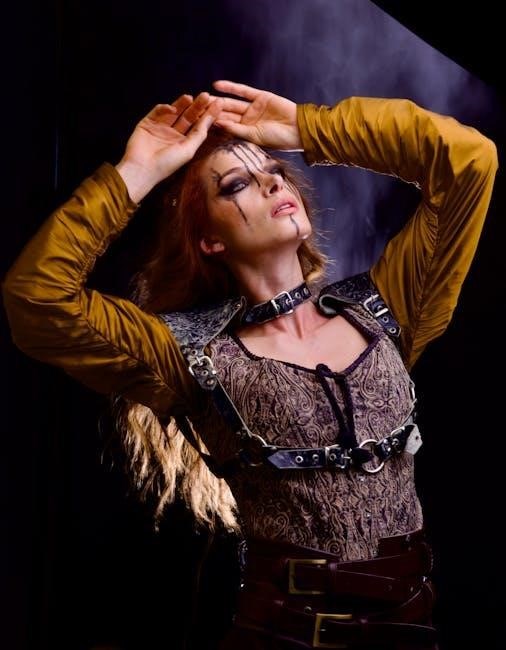
This societal framework is meticulously documented in available resources, including character backgrounds like that of Faeniele Eshele Barrison DelArmgo, which illustrate the pressures and expectations placed upon individuals within this system. The PDFs emphasize that even seemingly minor infractions can lead to severe consequences, reinforcing the iron grip of the matriarchal order.
The City of Menzoberranzan
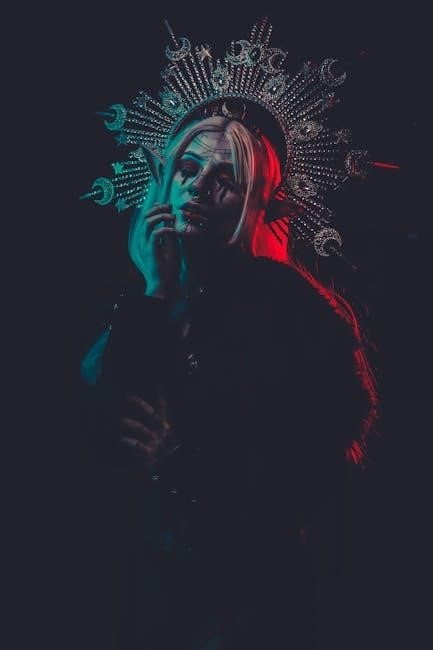
Menzoberranzan, the famed city of the drow, is extensively detailed within various PDFs dedicated to Dungeons & Dragons lore. These resources portray it as a sprawling, subterranean metropolis carved into the rock, a testament to drow architectural prowess and ruthless ambition. The city’s layout reflects its hierarchical structure, with the most powerful noble houses occupying the central and highest levels.
PDFs describe a labyrinthine network of tunnels and caverns, illuminated by phosphorescent fungi and guarded by intricate traps and vigilant patrols. Menzoberranzan is not merely a city, but a weapon – designed to instill fear and control. The presence of a Demogorgon, as depicted in some artwork referenced in online discussions, highlights the city’s vulnerability to extraplanar threats, even as it projects power.
The city’s economy revolves around raiding, slavery, and the production of magical items. Resources like “Arms & Equipment Guide” detail the weaponry and armor favored by Menzoberranzan’s warriors. Understanding Menzoberranzan is crucial to comprehending drow culture, as it is the epicenter of their power and the embodiment of their dark values.
Lolth: The Spider Queen and Drow Religion
Lolth, the Spider Queen, dominates drow religious life, and numerous PDFs dedicated to drow lore extensively detail her worship. These resources portray her as a chaotic evil deity, demanding constant sacrifice and ruthless ambition from her followers. Her dogma emphasizes betrayal, manipulation, and the subjugation of all other races.
Drow society is structured around Lolth’s priesthood, with powerful priestesses wielding significant political and magical authority. PDFs outline the complex rituals and ceremonies dedicated to Lolth, often involving dark magic and horrific sacrifices. The fear of Lolth’s displeasure is a constant motivator for drow actions, driving their internal conflicts and external aggression.
The PDFs reveal that Lolth’s influence extends beyond the Material Plane, with connections to the Abyss and other dark realms. Her followers believe she spun the drow from her own essence, granting them their unique abilities but also binding them to her will. Understanding Lolth is paramount to understanding the drow, as their entire culture is fundamentally shaped by her capricious and malevolent power.
Drow Racial Traits and Abilities (D&D 3.5e)
PDFs detailing D&D 3.5e character creation extensively outline the drow’s inherent racial traits. These include a +2 bonus to Dexterity, -2 penalty to Constitution, and darkvision out to 120 feet. Their innate spell resistance of 10 + character level provides a significant defensive advantage.
Drow possess several magical abilities, as documented in these guides, such as the ability to cast darkness once per day. They also gain a +1 racial bonus on Bluff, Hide, Listen, and Move Silently skills, reflecting their naturally stealthy and deceptive nature. These PDFs clarify the specifics of these abilities, including their limitations and scaling.
Furthermore, drow are immune to poison and sleep effects, showcasing their resilience and adaptability to harsh environments. However, they suffer a vulnerability to sunlight, taking 1d6 points of Strength damage per round of exposure. These PDFs provide a comprehensive overview of these traits, essential for players creating drow characters or Dungeon Masters designing encounters involving them.
Drow Character Classes and Archetypes
PDF resources on drow lore frequently showcase favored character classes. Rogues and Sorcerers are prominently featured, aligning with the drow’s predisposition for stealth, deception, and innate magical abilities. The example of “Sorcerer 5 Darkerida” illustrates a drow excelling in spellcasting, with a background as an Outlander.
These guides detail archetypes commonly adopted by drow characters. The Drow Stalker, an expert hunter, embodies their predatory nature, attacking unseen and exploiting vulnerabilities. Other archetypes include Priestesses of Lolth, wielding divine magic and enforcing the Spider Queen’s will, and ambitious nobles seeking power within Menzoberranzan’s intricate hierarchy.
PDFs also explore less conventional choices, such as drow Fighters or Clerics devoted to alternative deities, offering unique roleplaying opportunities. The documents emphasize how drow racial traits synergize with specific classes, enhancing their effectiveness. Understanding these archetypes is crucial for creating compelling and believable drow characters within a Dungeons & Dragons campaign.
Drow Magic and Spellcasting
PDF guides dedicated to drow lore consistently highlight their innate magical aptitude. Drow possess a natural affinity for illusion, enchantment, and necromantic magic, reflecting their manipulative society and reverence for Lolth. The example character, Darkerida (Sorcerer 5), exemplifies this magical prowess, showcasing a drow’s potential for arcane mastery.
These resources detail spells commonly utilized by drow, including darkness, faerie fire, and spells that enhance stealth and deception. Priestesses of Lolth wield divine magic granted by the Spider Queen, focusing on control, manipulation, and inflicting pain. Drow spellcasters often employ shadow magic, drawing power from the Underdark’s perpetual gloom.
PDFs also explore unique drow magical traditions, such as the creation of spider-themed magical items and the use of venomous reagents in spellcasting. The emphasis is on a subtle, insidious form of magic, mirroring the drow’s cunning and treacherous nature; Mastering these magical arts is key to survival and dominance within drow society;
Drow Weaponry and Armor
PDFs detailing drow equipment reveal a preference for weapons and armor crafted from obsidian, spider silk, and other materials found within the Underdark. These materials are often imbued with magical properties, enhancing their effectiveness and reflecting the drow’s artistry. The “Arms & Equipment Guide” (Damp;D 3rd Edition) is a key resource here.
Drow commonly wield swords, spears, and bows, often coated with potent poisons derived from Underdark creatures. Their armor typically consists of studded leather or chainmail, designed for agility and stealth rather than heavy protection. Noble houses often possess unique, masterfully crafted weapons passed down through generations.
These resources emphasize the importance of subtlety and lethality in drow weaponry. Weapons are frequently designed for silent kills and debilitating strikes. Armor is often dark and ornate, reflecting the drow’s aesthetic sensibilities and status within their society. The focus isn’t solely on brute force, but on precision and cunning in combat.
Drow Subraces and Variations
PDF documents exploring drow lore suggest limited, but notable, variations beyond the standard dark elf. While the core drow physiology remains consistent – dark skin, white hair, red eyes – subtle differences emerge based on lineage and magical influence within specific noble houses. These aren’t formally recognized “subraces” but rather distinct characteristics.
Some drow exhibit heightened magical aptitude, potentially linked to stronger Lolthian blessings or experimentation with dark magic. Others may display increased physical prowess, favored by houses prioritizing martial strength. These variations are often documented within character backgrounds found in campaign guides and character sheets like that of Sariel Darkerida.
The concept of “Drow Stalkers”, detailed in available PDFs, represents a specialized adaptation – expert hunters honed for tracking sentient prey. While not a subrace, their training and physiological adjustments create a distinct variation. Further exploration reveals hints of drow touched by aberrations from the Underdark, resulting in unsettling mutations, though these are rarer and often shunned.
Drow Stalkers: Hunting and Tactics
PDF resources dedicated to drow society extensively detail the role of Drow Stalkers as elite hunters specializing in sentient prey. Their tactics prioritize stealth, ambush, and psychological warfare, aiming to eliminate targets before they can react. Stalkers operate as independent agents or within small, highly-trained teams, often employed by noble houses for discreet eliminations or reconnaissance.
Hunting strategies involve meticulous planning, utilizing the Underdark’s terrain to their advantage. They exploit shadows, create illusions, and employ poisons to incapacitate or kill their victims. A key element is the element of surprise; enemies are often unaware of the Stalker’s presence until it’s too late. Documents like character guides showcase how Stalkers leverage their knowledge of drow culture to anticipate enemy behavior.
Stalkers are masters of tracking, capable of following prey through treacherous environments. They utilize specialized tools and techniques, often enhanced by magic, to conceal their movements and gather intelligence. Their effectiveness stems from a combination of physical prowess, cunning intellect, and unwavering loyalty to Lolth and their house.
Drow Alphabet and Language
PDF documents focusing on drow lore frequently include sections dedicated to their unique alphabet and language. The drow language, also known as Deep Speech, is a complex and melodic tongue characterized by sibilant sounds and intricate grammatical structures. Available resources showcase the drow alphabet, presenting its distinct characters and phonetic values.
The alphabet itself is visually striking, featuring angular and flowing lines that reflect the drow’s aesthetic sensibilities. Learning the drow alphabet is crucial for deciphering ancient texts, understanding drow rituals, and communicating with drow individuals. Several downloadable PDFs provide charts and guides for mastering the alphabet and basic vocabulary.
Deep Speech is not merely a means of communication; it’s deeply intertwined with drow culture and magic. Certain phrases and incantations hold power, and the language is often used in spellcasting and religious ceremonies. The language’s complexity reflects the drow’s secretive nature and their emphasis on intellectual prowess. Studying the language offers insights into their worldview and motivations.
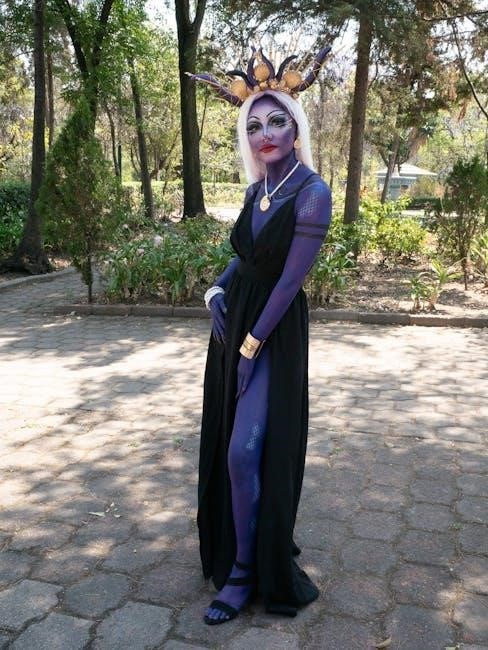
Drow Hierarchy and Noble Houses
PDF resources detailing drow society consistently emphasize the rigid and ruthless hierarchy that governs their existence. Drow society is intensely matriarchal, with power concentrated in the hands of High Matrons who lead noble houses. These houses constantly vie for dominance, engaging in intricate political maneuvering and violent conflicts.
Noble houses are the cornerstone of drow civilization, each possessing unique strengths, territories, and magical specialties. Documents outline the complex relationships between these houses – alliances forged and broken, betrayals plotted, and power struggles waged. Status within a house is determined by lineage, magical ability, and demonstrated ruthlessness.

Lower castes, including males and slaves, occupy the bottom rungs of this social ladder, subject to the whims of their superiors. The PDFs illustrate how this hierarchical structure permeates every aspect of drow life, from religious practices to military organization. Understanding the dynamics of these noble houses is essential for navigating the treacherous world of the drow and appreciating their complex social fabric.
Drow and Their Relationship with Other Races
PDFs exploring drow lore consistently portray a deeply antagonistic relationship with most surface races, particularly elves. Centuries of conflict and ideological differences have fostered intense hatred and distrust. Drow view other races as inferior, often engaging in raids and enslavement for resources and power.
However, the relationship isn’t uniformly hostile. Some documents hint at rare instances of trade or uneasy alliances with certain factions, usually driven by mutual benefit or desperation. These interactions are always fraught with tension and the potential for betrayal.
The drow’s interactions with other Underdark denizens are equally complex. They frequently clash with duergar, mind flayers, and other monstrous races for control of territory and resources. Alliances are temporary and opportunistic, based solely on immediate gains. PDF character backgrounds, like Faeniele Eshele Barrison DelArmgo, often reflect these ingrained prejudices and experiences with other races, showcasing a worldview shaped by conflict and dominance.
Drow in Different Dungeons & Dragons Editions
PDF resources detailing drow lore reveal a significant evolution across Dungeons & Dragons editions. Early iterations presented them as simply “evil elves,” lacking the depth of societal structure seen later. The 3rd and 3.5 editions, heavily influenced by R.A. Salvatore’s novels, expanded upon their matriarchal society, religious devotion to Lolth, and unique racial traits.
The Complete Guide to Drow (PDF) from 3.0 exemplifies this expansion, providing detailed information on their culture, history, and magic. Later editions, like 5th Edition, streamlined some aspects but retained the core elements of their dark and complex nature.
Character stats and backgrounds, such as those found in PDFs like the one for Faeniele Eshele Barrison DelArmgo, demonstrate how racial abilities and societal roles have been adjusted across editions. Experience point levels (D&D 5e) also reflect these changes, showcasing how drow progression differs from other races. The availability of these PDFs allows players to explore the drow’s evolution throughout D&D’s history.
Drow Character Example: Faeniele Eshele Barrison DelArmgo
Faeniele Eshele Barrison DelArmgo, as detailed in available PDF character sheets, serves as a compelling example of a drow character. These PDFs often include comprehensive background information, racial traits, and class-specific abilities. Her profile showcases the typical drow skillset – a blend of innate magical aptitude and honed rogueish talents.
The PDF documentation highlights her drow heritage, granting her advantages like darkvision and innate spell-like abilities. Her rogue class emphasizes stealth, deception, and combat prowess, reflecting the survival instincts necessary within drow society. The character’s detailed stats and backstory provide a tangible representation of the challenges and opportunities faced by drow individuals.
Analyzing such character examples, readily available in PDF format, offers insight into the intricacies of drow culture and the motivations driving their actions. Resources detailing drow lore complement these character sheets, enriching the understanding of Faeniele’s place within the larger drow hierarchy and the world of the Underdark.
Drow Experience Point Levels (D&D 5e)
Experience point (XP) thresholds for drow characters in Dungeons & Dragons 5th Edition, often outlined in campaign guides available as PDFs, follow the standard 5e progression. However, understanding these levels is crucial when designing campaigns centered around the drow and their rapid advancement within their society.
According to referenced materials, a drow character reaches Level 5 at 1,800 XP, Level 6 at 2,300 XP, and Level 7 at 2,900 XP. Reaching Level 8 requires 3,900 XP, while Level 9 demands a substantial 5,100 XP. These milestones represent significant power increases, mirroring the competitive nature of drow society where ambition and strength are highly valued.
PDF resources detailing drow campaigns often emphasize accelerated leveling for player characters, reflecting the intense training and constant power struggles within Menzoberranzan. Campaign guides may suggest awarding bonus XP for actions aligning with drow values – cunning, ruthlessness, and devotion to Lolth – further accelerating their progression. Mastering these XP levels is key to a balanced and immersive drow-focused game.
Drow Depictions in Art and Media
Drow imagery, frequently showcased in online PDF art collections and campaign resources, has evolved significantly since their introduction to Dungeons & Dragons. Early depictions often emphasized their monstrous qualities – dark skin, red eyes, and spider-like features – reflecting their initial portrayal as purely evil adversaries.
However, the influence of R.A. Salvatore’s novels, often available in digital formats, shifted this perception. Art began to portray drow with greater nuance, showcasing their beauty, intelligence, and internal conflicts. Tyler Jacobson’s artwork, specifically his depiction of a Demogorgon wreaking havoc in Menzoberranzan, exemplifies this darker, more dramatic aesthetic.
Contemporary depictions, found in various PDF guides and online galleries, continue to explore this duality. They often feature drow in elaborate armor, wielding intricate weaponry, and surrounded by the gothic architecture of their underground cities. Digital art and media consistently reinforce the drow’s association with shadows, intrigue, and a complex, often ruthless, societal structure, solidifying their iconic status in fantasy art.
Resources for Drow Campaigns (PDFs & Guides)
A wealth of downloadable PDFs and online guides cater to Dungeon Masters seeking to incorporate the drow into their campaigns. “Damp;D 3.0 Ed. (D20) ─ The Complete Guide to Drow.pdf” provides extensive lore, societal details, and character options for 3.5e. Similarly, “Cry Havoc.pdf” and “Damp;D.3rd.Edition.Arms_amp;_Equipment_Guide.pdf” offer valuable resources for equipping and detailing drow characters.
Beyond dedicated drow guides, broader monster manuals (like the Russian-language D&D 5e bestiary) contain drow stat blocks and encounter ideas. Online forums and communities frequently share custom-created PDFs detailing unique drow noble houses, city expansions, and adventure modules. The Drow Alphabet PDF is useful for immersive worldbuilding.
For campaign troubleshooting, resources address common issues like file deletion and formatting problems encountered when using these digital materials. These guides, often shared within dedicated online spaces, ensure a smoother experience for DMs building their drow-centric worlds, leveraging the extensive lore available in readily accessible PDF formats.
Troubleshooting Common Drow-Related Issues (File Deletion, Formatting)
Downloading PDFs related to drow lore can sometimes present challenges. Users have reported instances of files being flagged as viruses and automatically deleted by Windows systems, even after disabling firewalls and antivirus software. A workaround involves adjusting security settings or utilizing alternative download sources.
Formatting inconsistencies are also frequent. PDFs sourced from various origins may exhibit issues with character encoding, leading to garbled text or incorrect symbols, particularly with the Drow alphabet. Utilizing PDF readers with advanced rendering capabilities can mitigate these problems.
Table formatting within PDFs, such as those containing experience point levels or character stats, can be problematic when copying data. Issues include broken tables or misaligned content. Employing Optical Character Recognition (OCR) software can sometimes resolve these issues, converting the PDF content into editable text. Additionally, ensuring the PDF is opened with a compatible viewer is crucial for proper display and data extraction.