Bits are binary digits, the smallest unit of data, while bytes group eight bits to encode characters and instructions. In today’s digital age, every click, photo, or message becomes a byte‑packed story, shaping our lives, privacy, and future identities.
Understanding basics unlocks data’s role in society now

Definition and Basics
Bits are the fundamental binary units—0 or 1—that computers use to encode all information. A byte consists of eight consecutive bits, providing 256 possible values (0–255). This grouping allows the representation of characters, numbers, and instructions in a compact, machine‑readable format. In the context of digital storytelling, each byte can represent a pixel in an image, a sample in an audio file, or a line of code in a program. The evolution from simple binary to complex data structures has enabled the creation of PDFs, which encapsulate text, images, and metadata in a fixed layout. PDFs preserve the original appearance of documents across platforms, making them ideal for archiving personal narratives that rely on precise formatting. The binary nature of bits and bytes underpins every digital artifact, from the first mechanical calculators to modern cloud‑based services that store vast libraries of user data. Understanding this foundation is essential for grasping how personal stories are captured, transmitted, and stored in the digital realm.
Mastering binary empowers users to decode file structures, anticipate security risks, and appreciate compression that reduces size without losing quality. A PDF’s internal streams encode fonts, images, and layout, all of which can be examined with tools. By reading these streams, one learns how metadata embeds device identifiers and how byte changes alter meaning. This knowledge protects privacy, ensures authenticity, and supports responsible digital citizenship.!
Historical Context
From the earliest mechanical calculators that used binary switches in the 19th century to the first electronic computers of the 1940s, the concept of bits as indivisible units of information has evolved dramatically. The binary system, rooted in ancient mathematics, was formalized by George Boole in the 1850s and later adopted by Claude Shannon in his seminal 1948 paper, which established the theoretical foundation for digital communication. As technology progressed, the 1950s and 1960s saw the introduction of magnetic core memory, where each core represented a single bit, and the development of punch cards that encoded data in a physical form. The 1970s brought microprocessors, shrinking the size of computing devices and making the manipulation of bits and bytes more accessible to the masses. The advent of the personal computer in the 1980s, epitomized by the Apple II and IBM PC, democratized digital data handling, allowing individuals to create, store, and share documents in binary form. The 1990s introduced the World Wide Web, where bits traversed global networks, and the PDF format emerged in 1993 as a portable, device‑independent way to preserve the integrity of documents. By the 2000s, the proliferation of smartphones and cloud services amplified the volume of data generated daily, turning bytes into a currency for personalization, advertising, and surveillance. Throughout this trajectory, the underlying principle remained: bits and bytes are the building blocks that translate human intent into machine‑readable instructions, shaping the digital narrative of our lives. In contemporary times, the ubiquity of data streams means that every interaction—from a simple text message to a complex machine learning model—relies on the precise orchestration of bits. Legal frameworks like the General Data Protection Regulation (GDPR) attempt to safeguard individuals against misuse of their digital footprints, underscoring the societal impact of bits. This evolution highlights binary’s power to shape life.

Personal Narrative: A Life in Bits and Bytes

In the PDF portrait, a college student logs daily interactions: social posts, streaming, cloud notes. She seeks connection, academic efficiency, and creative expression, yet worries about data trails. Her narrative shows how bits shape study habits, friendships, and future career choices.Digital tradenow!

Case Study of a College Student
Emma, a sophomore in computer science, logs 4 hours daily on her laptop, using cloud‑based note‑taking, streaming, and social media. Each action turns into bits that the OS groups into bytes and stores locally or in the cloud. She keeps a PDF diary of screenshots and links, preserving her narrative in a portable, tamper‑proof format everyday.

Her motivations are academic collaboration, creative expression, and social validation. She shares code on GitHub, receives peer reviews, and uploads videos to TikTok. The instant feedback loop of likes and comments reinforces her sense of belonging and fuels her creative output. Zoom study groups reduce commuting time and increase efficiency. She also uses Discord for group chats;
Opportunities arise when Emma leverages cloud services. Research data stored in encrypted buckets is accessible from any device, enabling remote work. However, drawbacks include data latency, occasional outages, and exposure of metadata—location, device ID, timestamp—to third‑party advertisers. She frequently adjusts privacy settings, uses encrypted messaging, and employs a VPN to protect sensitive content daily. She monitors her data usage, noting the bytes uploaded each week.
Emma’s narrative shows how bits and bytes shape daily life. The PDF preserves her story, while the underlying binary data fuels a network of interconnected services. She balances convenience against control, illustrating the dual nature of digital media: empowering yet exposing, efficient yet intrusive. Her story remains a living archive of a generation’s interaction with bits, bytes, and the broader digital ecosystem today.

Motivations for Digital Media Use
Emma’s engagement with digital media is driven by three core motivations: academic collaboration, creative expression, and social validation. She uses cloud‑based note‑taking to share lecture notes instantly, enabling group study sessions that reduce travel time. Creative output is fueled by video platforms where she uploads tutorials; the immediate feedback loop of likes and comments reinforces her confidence. Social validation manifests through messaging apps and social networks, where she seeks peer approval and community belonging. Each interaction converts into bits that are grouped into bytes and stored in the cloud, forming a digital footprint that she actively manages through privacy settings and encryption tools. The convenience of real‑time collaboration and the potential for rapid recognition motivate her to maintain a constant online presence, while the desire to preserve her creative work in a portable PDF format ensures long‑term accessibility.
Her motivation also stems from the need to document her learning journey. By exporting lecture slides and notes into PDFs, she ensures that the information remains accessible across devices and future operating systems. The PDF format preserves formatting, embeds fonts, and protects against accidental edits, giving her peace of mind. Moreover, she leverages data analytics tools to track her study patterns, converting raw timestamps into actionable insights. This data‑driven approach helps her allocate time efficiently, identify weak topics, and adjust her study schedule. The ability to share these insights with tutors and peers fosters a collaborative learning environment. Ultimately, Emma’s digital media usage is a blend of convenience, self‑expression, and strategic data management, all orchestrated through bits and bytes!!!!!!!!!

Privacy and Data Commercialization
Data flows turn personal moments into marketable assets. Companies harvest bytes from PDFs, social posts, and academic files, converting them into models that predict behavior. Users trade privacy for convenience, unaware that each click embeds their story into a commercial data stream. Every byte is a trade.
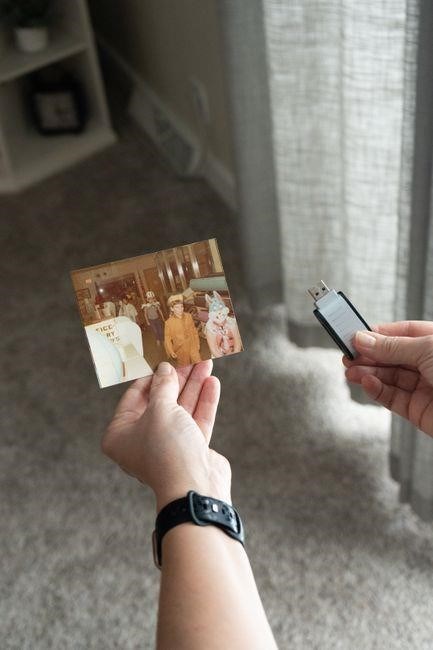
Loss of Privacy in the Digital Age
In the era where every interaction is encoded into bits and bytes, the erosion of privacy has become a silent, pervasive force. The proliferation of digital footprints—whether through academic PDFs, social media posts, or cloud‑stored documents—creates a vast, searchable archive that can be accessed by governments, corporations, and malicious actors alike. Each click, download, or upload contributes a new byte to a growing dataset, and over time these fragments coalesce into detailed behavioral profiles. The sheer volume of data collected from seemingly innocuous sources, such as a student’s research paper or a personal diary stored in PDF format, can reveal intimate patterns about interests, habits, and even political leanings. These profiles are then monetized, sold, or used to target individuals with hyper‑personalized advertising, often without explicit consent. Moreover, the legal frameworks governing data protection lag behind technological advances, leaving many users exposed to exploitation. The loss of privacy is not merely a theoretical concern; it manifests in real‑world consequences, from identity theft to algorithmic discrimination; As the digital ecosystem expands, the line between public and private information blurs further, demanding a reevaluation of how we safeguard our personal narratives in a world that thrives on bits and bytes; In practice, this erosion manifests through ads that anticipate needs before they arise, track movements, data brokers that quantify human behavior insights, all users remain aware of footprints.!!!!??
Ownership of Personal Data
In the digital ecosystem, the question of who truly owns the data that is generated by individuals is increasingly complex. While the raw bytes that compose a PDF file, a social media post, or a sensor reading are technically stored on servers owned by corporations, the legal and ethical frameworks that govern ownership are still evolving. Many jurisdictions treat personal data as a form of property, granting individuals certain rights to control, access, and even monetize their own information. However, these rights are often limited by contractual agreements, privacy policies, and the sheer scale of data aggregation. The commercialization of personal data has turned individual life stories into commodities that can be packaged, sold, and leveraged by data brokers, advertisers, and even state actors. In practice, individuals frequently relinquish ownership through implicit consent when they sign up for services, click “accept,” or simply continue using a platform. This dynamic creates a tension between the desire for privacy and the economic incentives that drive data collection. Emerging technologies such as blockchain and decentralized identifiers promise new models for data ownership, allowing users to maintain control over how their bytes are shared and monetized. Yet, the transition to these models requires widespread adoption, robust legal protections, and a cultural shift toward valuing data as a personal asset rather than a free resource. Ultimately, the balance between autonomy and corporate control will shape data governance demanding policies for to access digital services.

PDF as a Medium for Documenting Digital Lives
PDFs preserve the exact layout and metadata of digital narratives, making them ideal for archiving life stories. They ensure long‑term accessibility, support embedded multimedia, and resist tampering, allowing readers to view a person’s digital journey unchanged across devices. PDFs preserve integrity.??
Why PDFs are Preferred
PDFs lock in the exact visual and structural details of a document, ensuring that a life story retains its original formatting no matter the device or software version. This fidelity is critical when preserving personal narratives that rely on typography, embedded media, and hyperlinks to maintain context. PDFs also embed metadata—author names, timestamps, and even digital signatures—providing a verifiable audit trail that is essential for legal or archival purposes. Because the format is platform‑agnostic, PDFs can be opened on Windows, macOS, Linux, or mobile operating systems without alteration, guaranteeing consistent readability across generations of technology. Security features such as password protection, encryption, and redaction allow creators to control access and protect sensitive information, a necessity in an era where personal data is routinely harvested. Moreover, PDF files are searchable; text can be indexed and retrieved by keyword, making it easier for researchers, historians, to locate within autobiography! For these reasons, PDFs remain the preferred medium for documenting and sharing detailed, media‑rich life stories in the digital age. In addition, PDF/A, a subset of the PDF format, is specifically designed for long‑term preservation, ensuring that documents remain accessible for decades without relying on proprietary software. Accessibility tools, such as screen readers, can interpret tagged PDFs, making narratives available to visually impaired readers. Compression algorithms within PDFs reduce file size without sacrificing quality, allowing large multimedia collections to be shared over limited bandwidth. Finally, most libraries, archives, and cloud services natively support PDFs, guaranteeing that a life story can be stored, cataloged, and retrieved by future generations with minimal effort.
Accessing ‘Blown to Bits’ in PDF
To read the full narrative in its original print‑style format, users can download a single PDF file that preserves every page, image, and typographic nuance. A dedicated link on the publisher’s site offers the entire book as a single, searchable PDF. Clicking the link initiates a direct download that places the file in the user’s default downloads folder. Once the download completes, the PDF can be opened with any standard viewer—Adobe Acrobat Reader, Foxit Reader, or the built‑in viewer in most browsers. The document’s internal table of contents provides quick navigation to chapters, while the search bar allows retrieval of specific terms or phrases. For those who prefer a more granular approach, the site also hosts individual chapter PDFs; each chapter link is labeled clearly and can be downloaded separately. When downloading chapters, the file size is smaller, making it convenient for limited‑bandwidth connections. Users should ensure that their PDF reader supports JavaScript if the book contains interactive elements, such as embedded hyperlinks or multimedia. Additionally, the PDF is tagged for accessibility, enabling screen readers to interpret headings, lists, and images. The file is also encrypted with a standard password that can be shared with trusted readers; the password is provided in the accompanying email after purchase. By following these steps, readers can fully experience the story’s depth, context, and visual storytelling, all while maintaining the integrity of the original layout and design. Bookmark pages for quick reference.
Downloading Individual Chapters
Readers can annotate within the file, highlighting passages and adding sticky notes that sync across devices. The embedded table of contents is fully clickable, enabling rapid navigation to any chapter or section. For those who wish to print, the layout remains faithful to the original, preserving numbers. Finally, the publisher offers tutorial video on how to manage files, ensuring that even novice user can engage with the material. so!!